
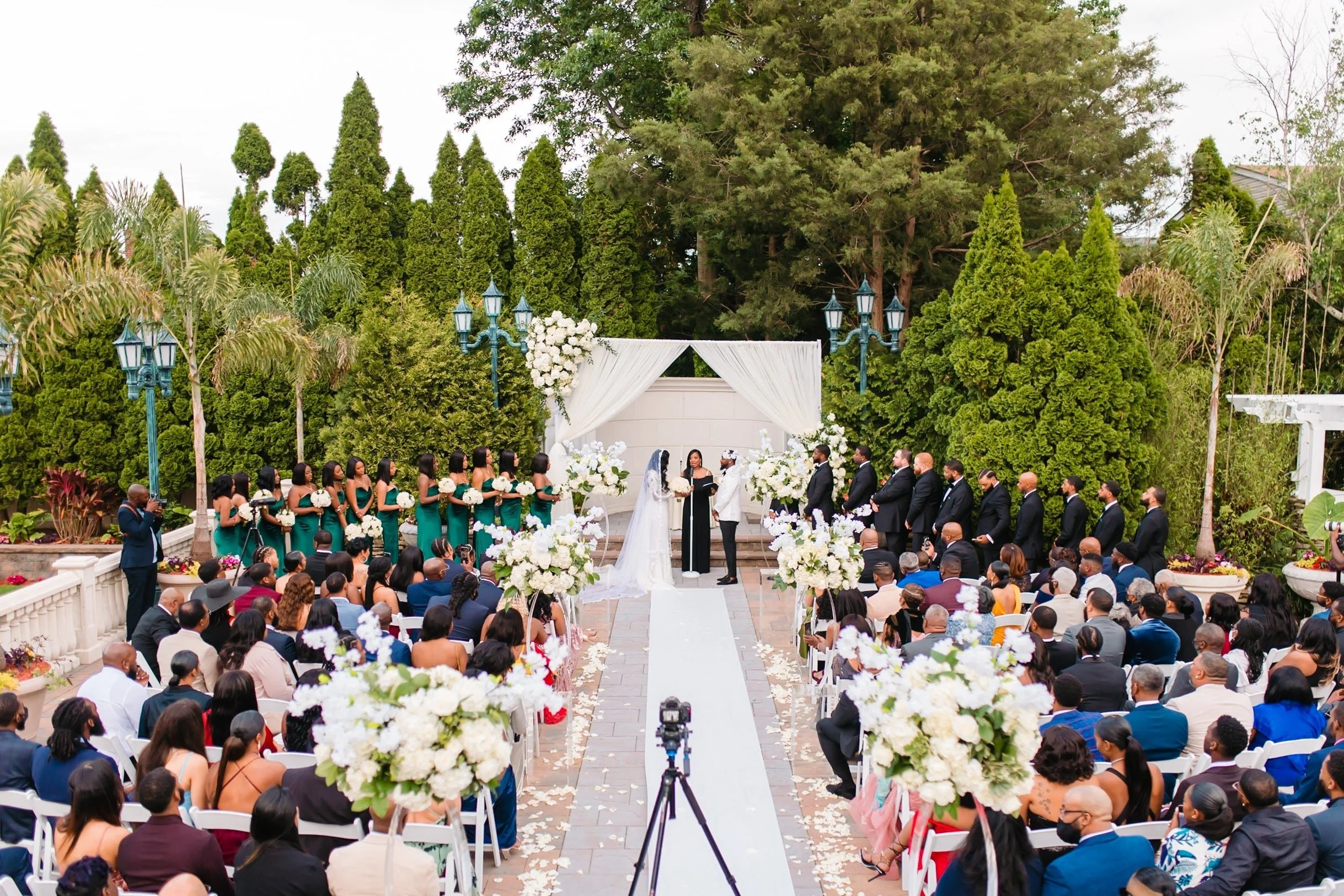
Your wedding officiant has one of the most important roles of your wedding day. They guide you through your vows, set the tone for your ceremony and make sure your marriage is legally recognized.
Your officiant is also the only vendor your wedding legally requires. You can get married without a photographer, a DJ or flowers, but not without someone authorized to marry you. That choice deserves the same care and respect you give every other part of your day.
Since 2014, I’ve officiated more than 1,000 ceremonies across New Jersey and New York. Along the way, I’ve seen how smoothly everything goes when couples choose the right officiant, and how stressful it can be when they don’t.
Most of the problems I hear about are completely avoidable.
Here are the 10 mistakes I see couples make most often, and what to do instead.
1. Waiting Until the Last Minute
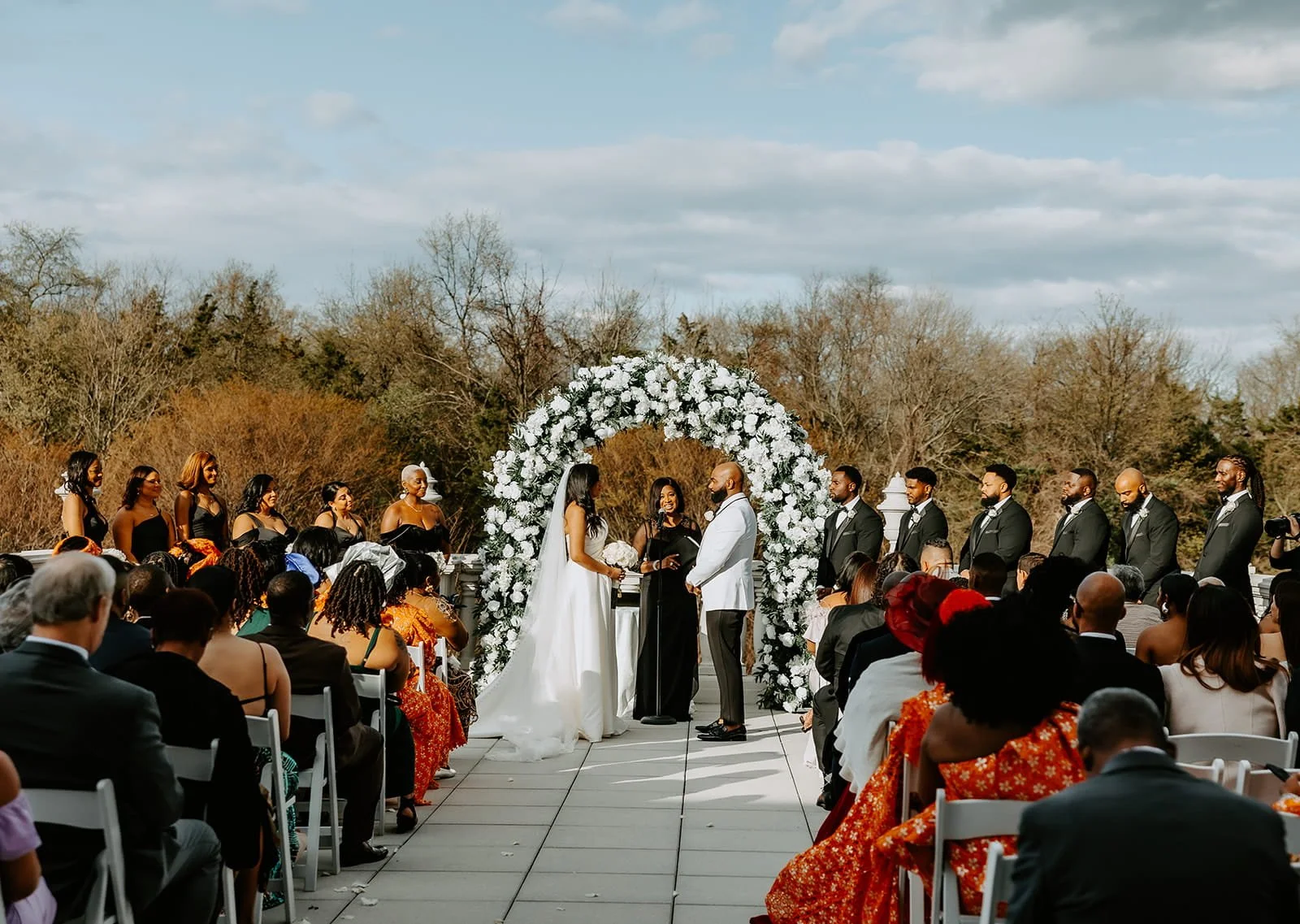
Experienced officiants book up quickly, especially for Saturdays between May and October. If you wait until the final weeks, you may end up choosing from whoever is still available instead of the person you actually want.
I recommend booking your officiant 6 to 12 months before your wedding, ideally soon after you’ve secured your venue and date.
Timing matters for the legal side too. In New Jersey, a marriage license can’t be issued until 72 hours after you apply, and once it’s issued, it’s valid for 30 days. Leaving everything to the last minute can put your paperwork at risk.
Working with a short timeline? It’s still possible. Here’s how to get married fast in New Jersey.
2. Not Checking Reviews or Experience
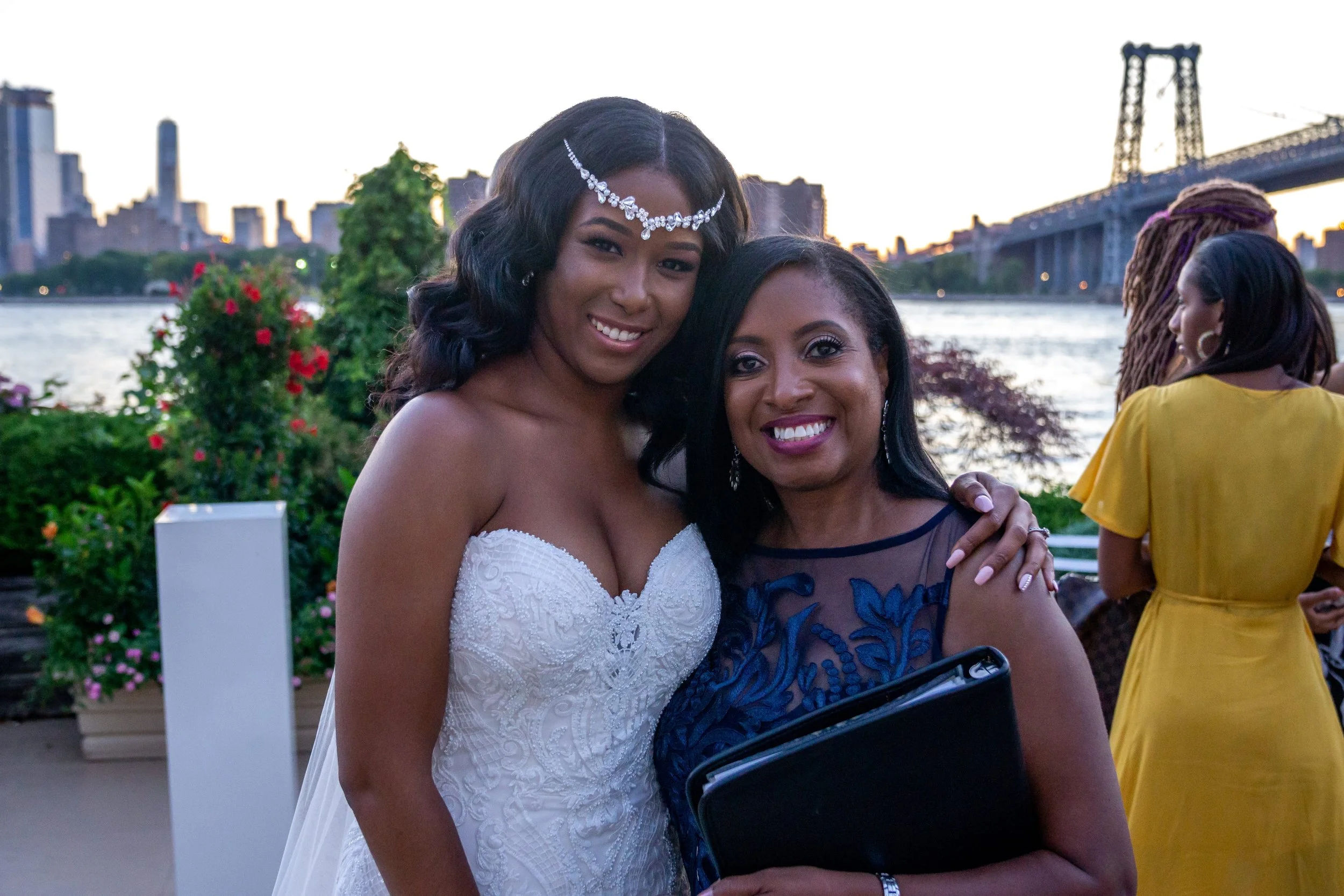
Anyone can say they officiate weddings. Reviews show you what it’s actually like to work with them.
When you read reviews, look past the star rating. Do couples say the ceremony felt personal? That the officiant was calm and organized? That the paperwork was handled correctly?
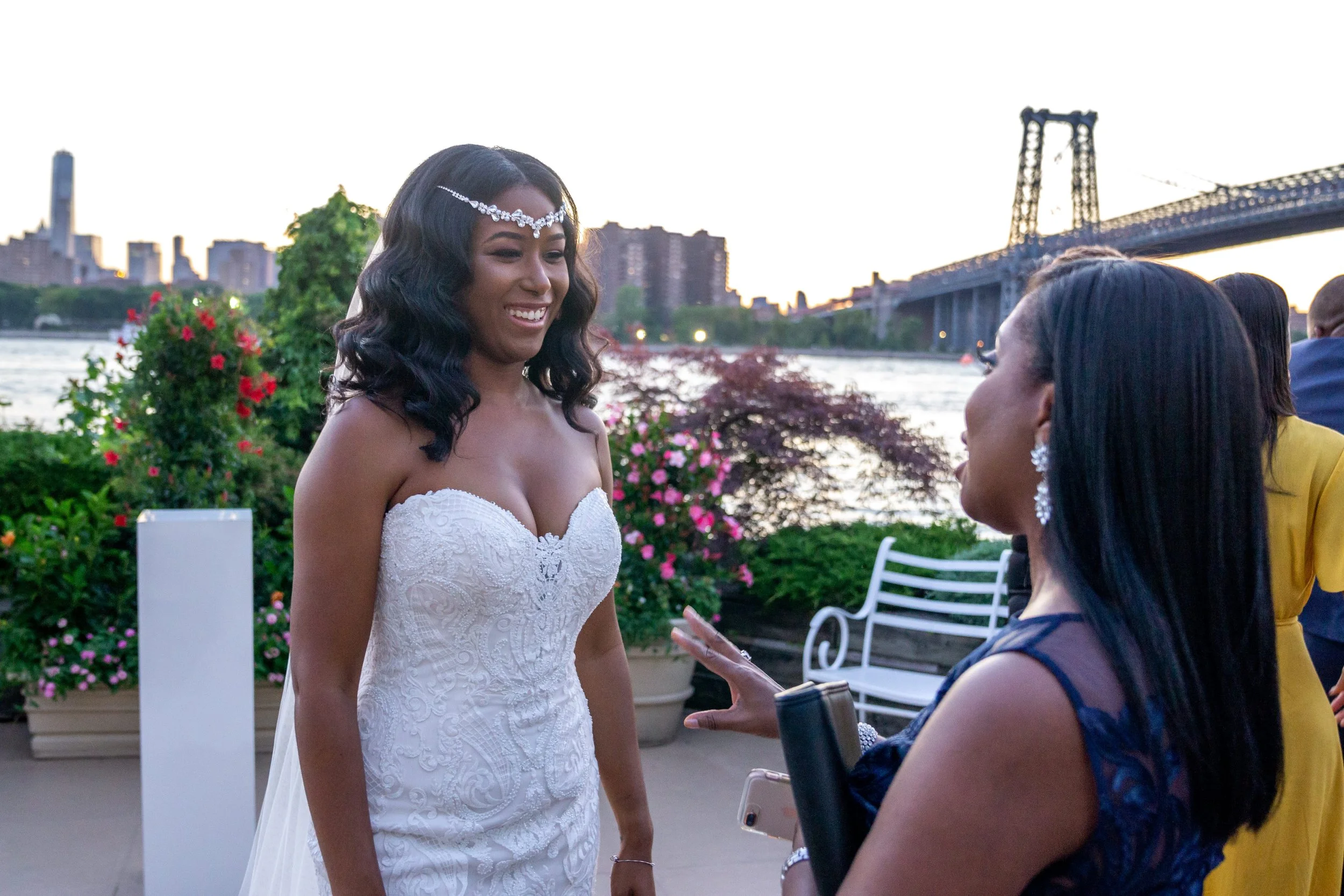
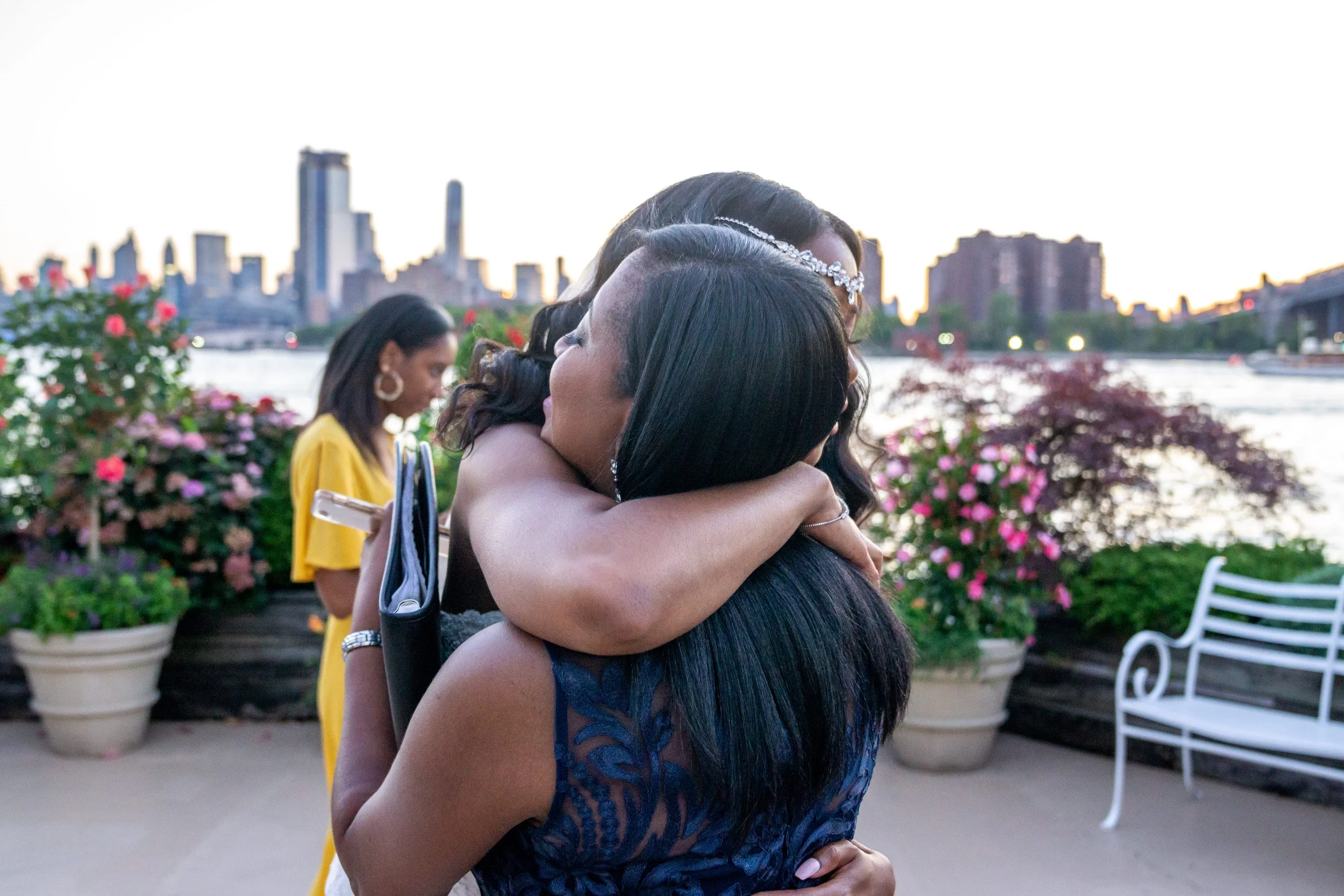
Experience matters just as much. An experienced officiant knows how to keep a ceremony on track when a ring gets stuck, a microphone cuts out or a nervous couple loses their place in their vows.
Some couples ask a close friend or family member to officiate. I understand the appeal, and it can feel meaningful. But leading a ceremony takes experience. A first-time officiant may not know how to calm a nervous couple, keep going when a microphone cuts out or handle the legal steps of your marriage license. And on your wedding day, there’s no second take.
Your ceremony is the heart of your wedding day. If there’s someone special you’d love to include, give them a reading or another honored role, and trust the ceremony itself to a professional.
I’m grateful for more than 207 five-star Google reviews from the couples I’ve married. Read their reviews here.
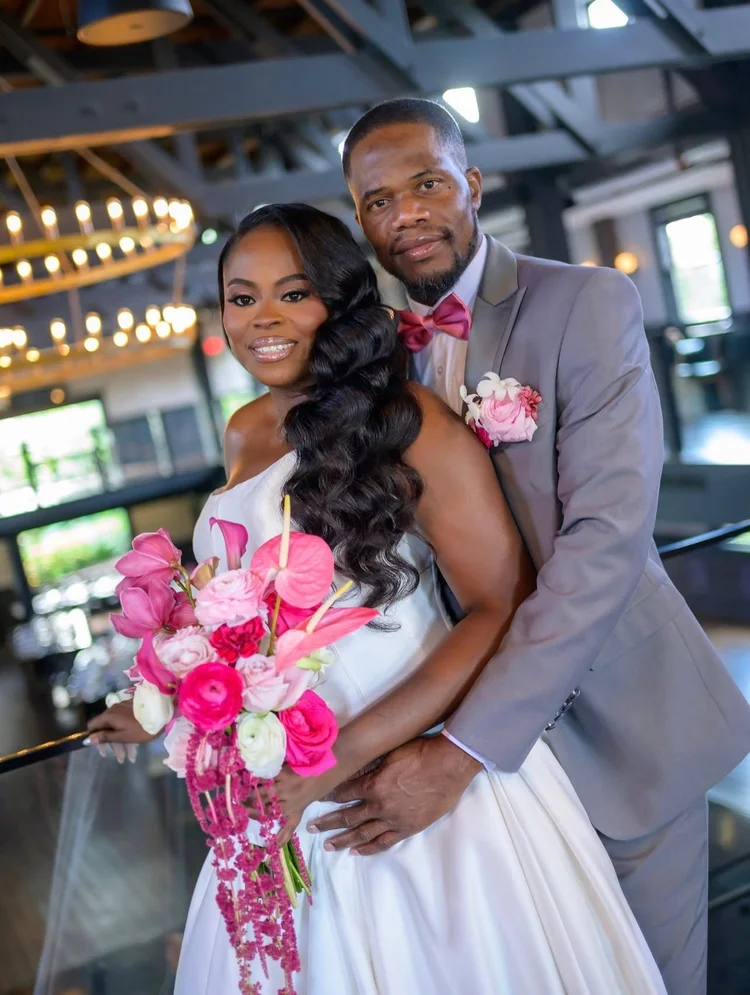
“Her warmth and professionalism made the experience special.”
Asha & Terone, Park Loft3. Not Asking the Right Questions
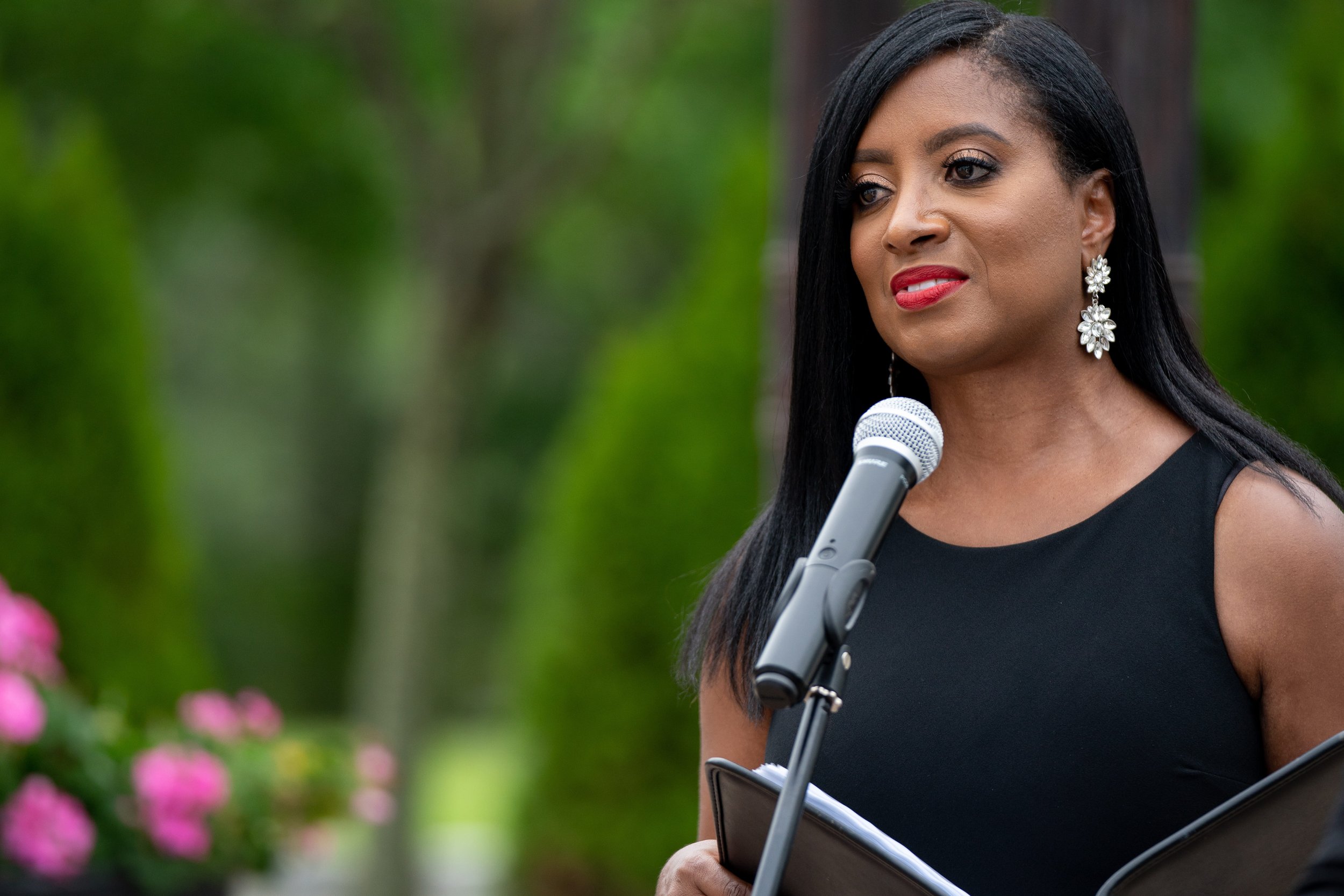
Your first conversation with an officiant should give you a clear sense of how they work. These questions will tell you a lot:
Are you legally authorized to officiate weddings in New Jersey, and what are your credentials?
Getting married in New York City? Are you registered with the NYC City Clerk’s Office?
How will you get to know us before the wedding?
How long will our ceremony be?
Can you include our cultural or religious traditions?
Who files our marriage license after the ceremony?
What is included in your fee, and what isn’t?
Will you be the one officiating our wedding?
Keep the focus on your ceremony and how the officiant will serve you. Questions about an officiant’s private life aren’t needed to find the right fit.
4. Assuming Every Ceremony Is Custom
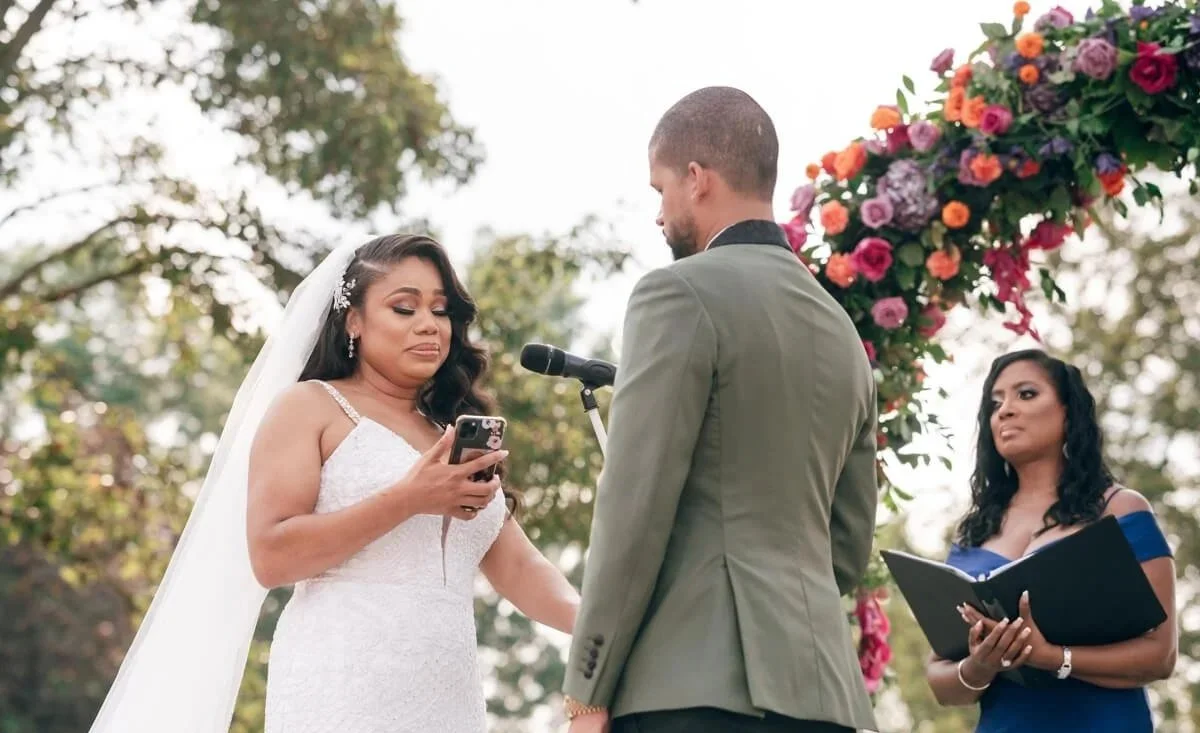
Many couples assume every officiant writes a unique ceremony. Not all do. Some use the same script for every wedding and simply change the names.
Before booking, ask how the ceremony is created. For my couples, it starts with a detailed questionnaire about their love story, their values and what matters most to them. From there, I write their ceremony from scratch.
One thing to know: I don’t share the ceremony script in advance, not with couples, planners or anyone else. On paper, a ceremony is just words. What makes it meaningful is how it’s delivered, in the moment, in front of everyone you love. I want you to hear it for the first time standing face to face on your wedding day.
That’s what makes a ceremony feel personal, even in a room full of guests. Caroline and Brett had 300 guests at Florentine Gardens in River Vale, NJ.

“She made the ceremony feel so personal and intimate.”
Caroline & Brett, Florentine Gardens5. Not Discussing Ceremony Expectations
Some couples assume the officiant will “figure it out,” then feel surprised on the wedding day. Talk through your expectations early:
Tone: formal, warm, joyful or a mix
Faith: religious, spiritual or secular
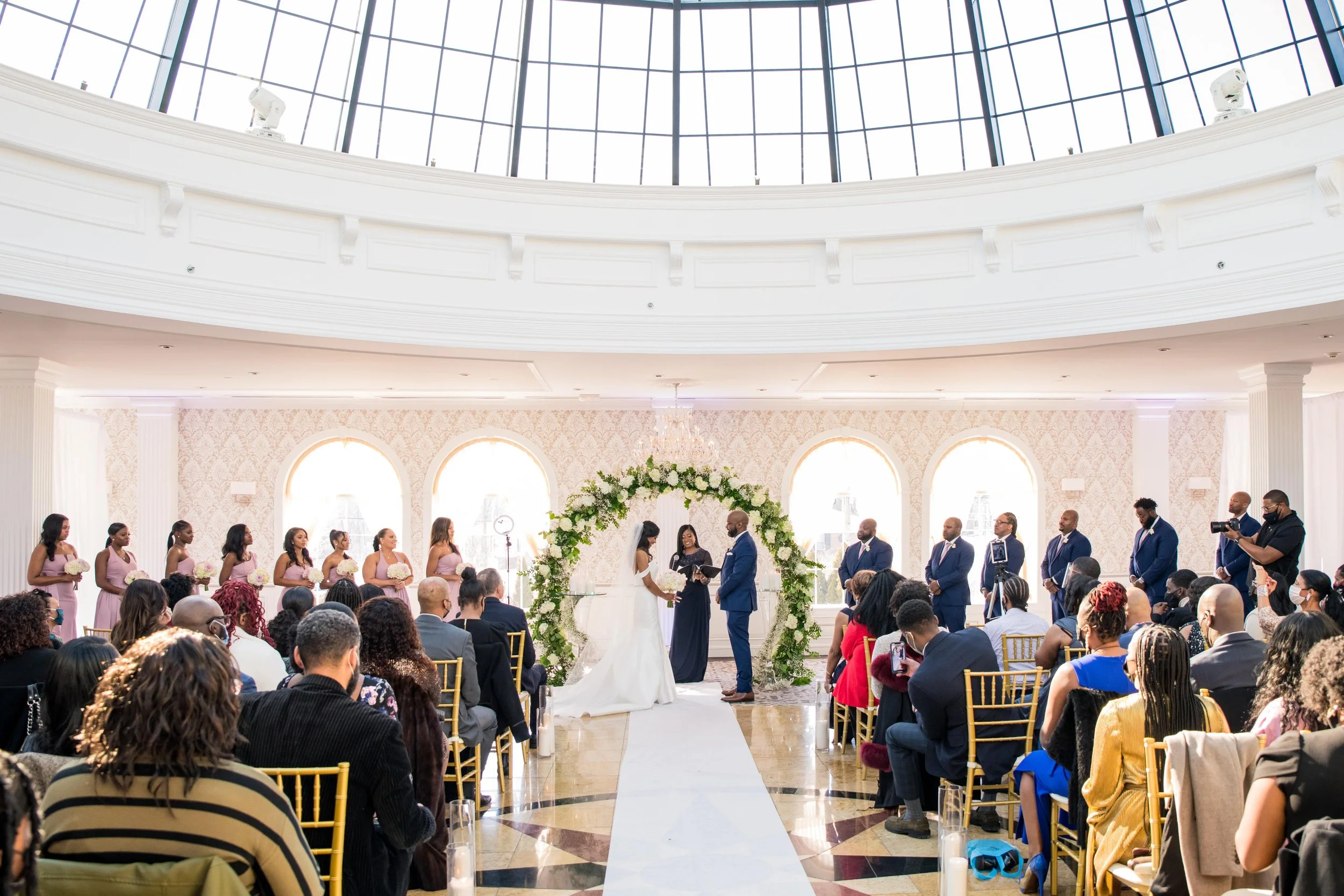
Length: my large wedding ceremonies run at least 30 minutes, which leaves room for your story, your vows and any traditions
Traditions: cultural or family rituals you’d like to include
Remembrance: whether you’d like to honor loved ones who have passed
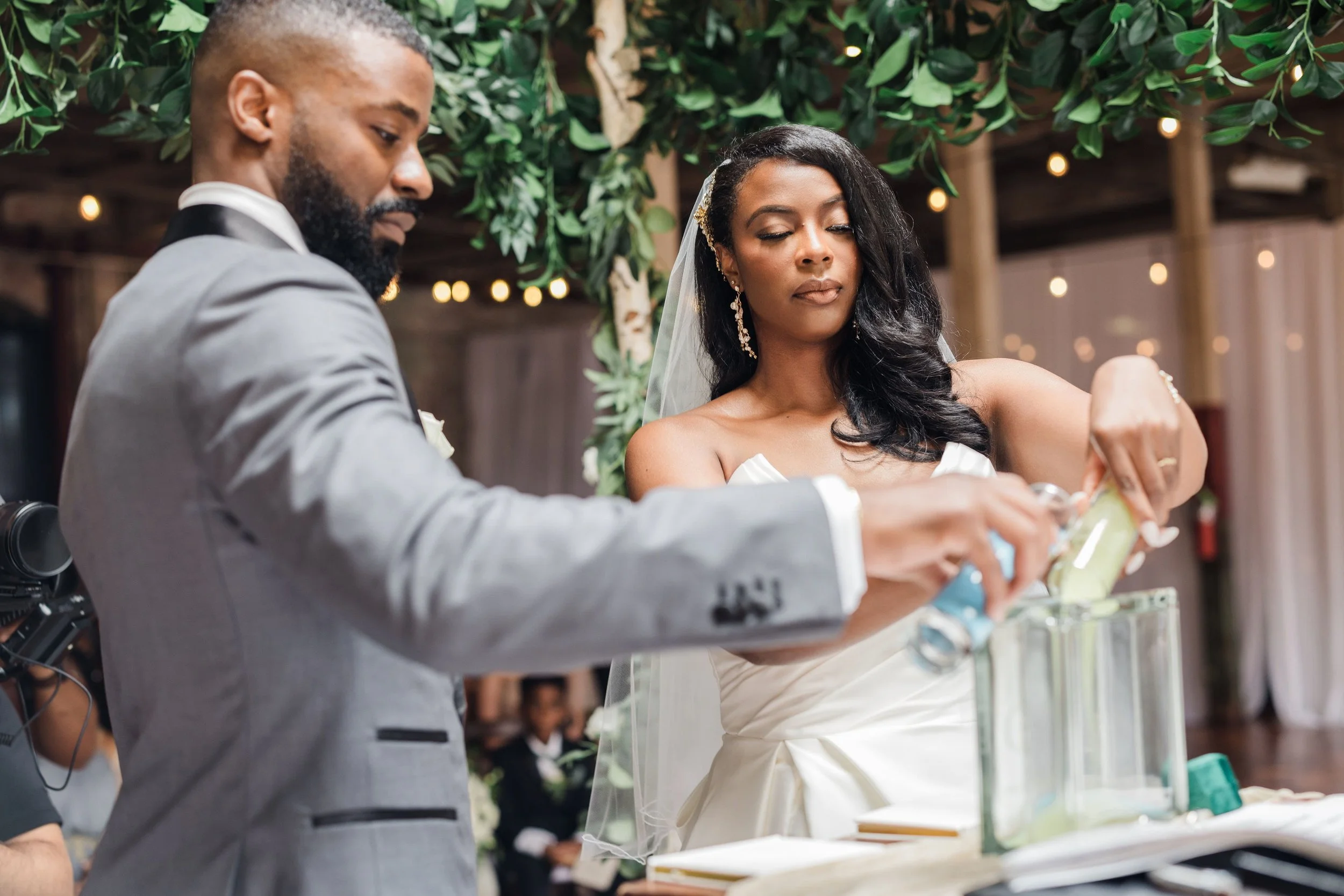
Rituals are one of my favorite ways to personalize a ceremony. At Hudson House, Starr and Nygel included an opening prayer, jumping the broom and a candle lighting ritual. Read about their waterfront wedding.
If you’re including a ritual, ask who provides the items. My couples provide the materials, like the broom or candles, and I lead the ritual itself.
Let’s create a ceremony that sounds like the two of you.
Check availability6. Choosing on Price Alone
Every couple has a budget, and that’s important. But the lowest price doesn’t always mean the best value.
Your officiant is responsible for the moment your marriage begins and for making it legal. That’s not the place to cut corners.
When comparing officiants, ask what the fee includes and what it doesn’t. Travel, rehearsals and ritual materials are often separate. A clear answer up front helps you compare fairly and avoid surprises. You’ll find my pricing on my website.
7. Overlooking the Legal Requirements
Your ceremony can be beautiful, but if the paperwork isn’t handled correctly, your marriage may not be properly recorded.
In New Jersey, the person who performs your ceremony is responsible for filing your completed marriage license with the registrar in the town where you were married. Rules about who can legally officiate also vary from state to state, and sometimes from city to city. In New York City, for example, officiants must register with the City Clerk’s Office before performing weddings there.
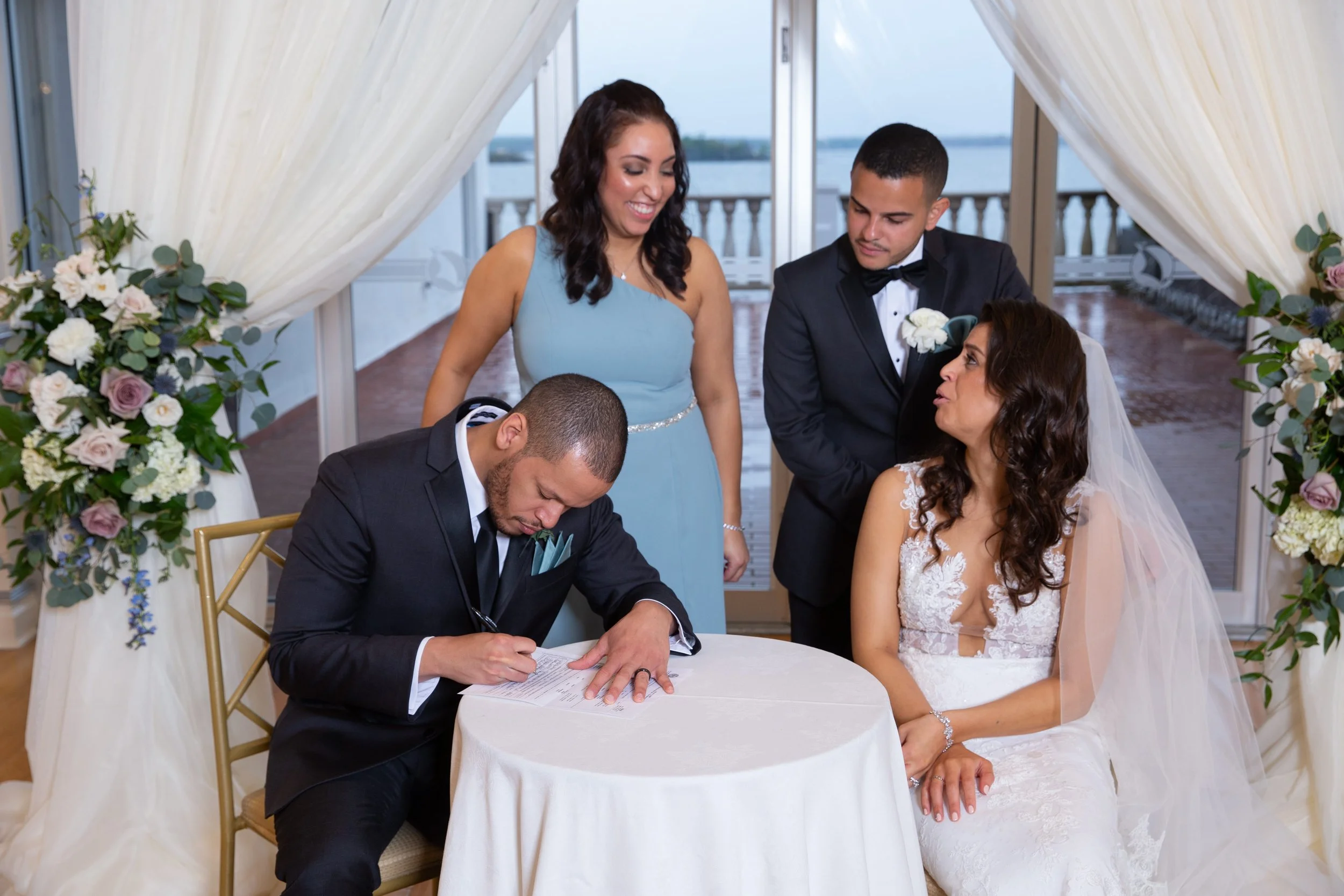
Witnesses are part of the legal requirements too. In New Jersey, both of you and one witness must be present when you apply for your marriage license, and your officiant can’t serve as that witness.
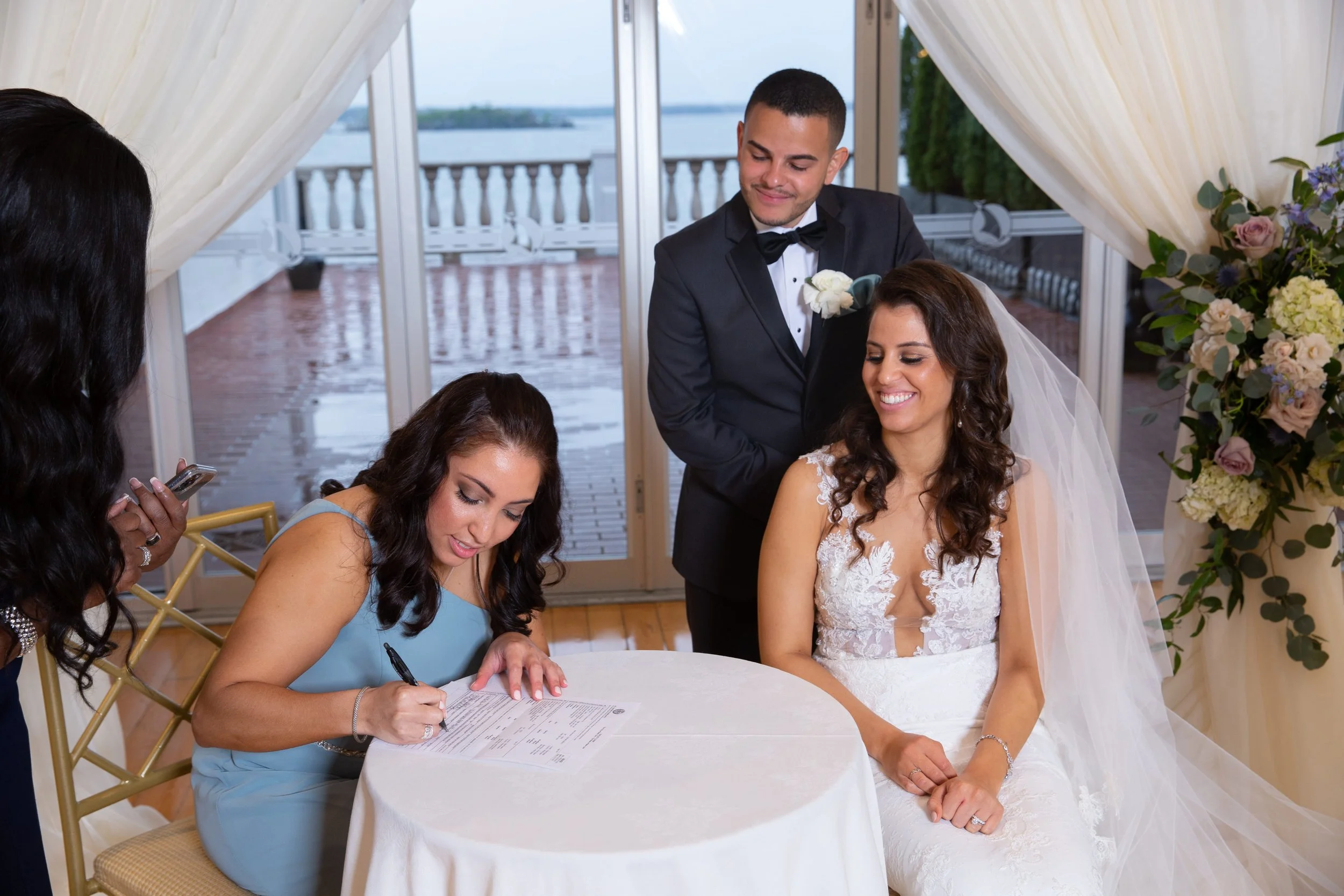
On your wedding day, you’ll need two witnesses. In New Jersey, the couple doesn’t sign the marriage license, but your officiant and both witnesses do. Many couples ask both moms, both dads or two members of the wedding party. Choose your witnesses ahead of time, and remind them to bring valid identification to show your officiant before signing.
As a Certified Municipal Registrar in New Jersey, I know the marriage license process from the registrar’s side, so my couples can feel confident their paperwork is right.
Learn more about the New Jersey marriage license and how to get your certified marriage certificate.
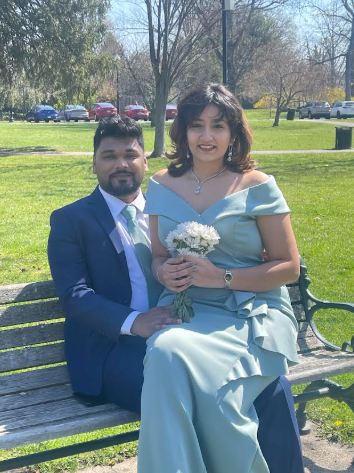
“Having our certified marriage certificate the same day was a game-changer for us.”
Swara & Janish, Westfield, NJ8. Skipping or Rushing Through the Consultation
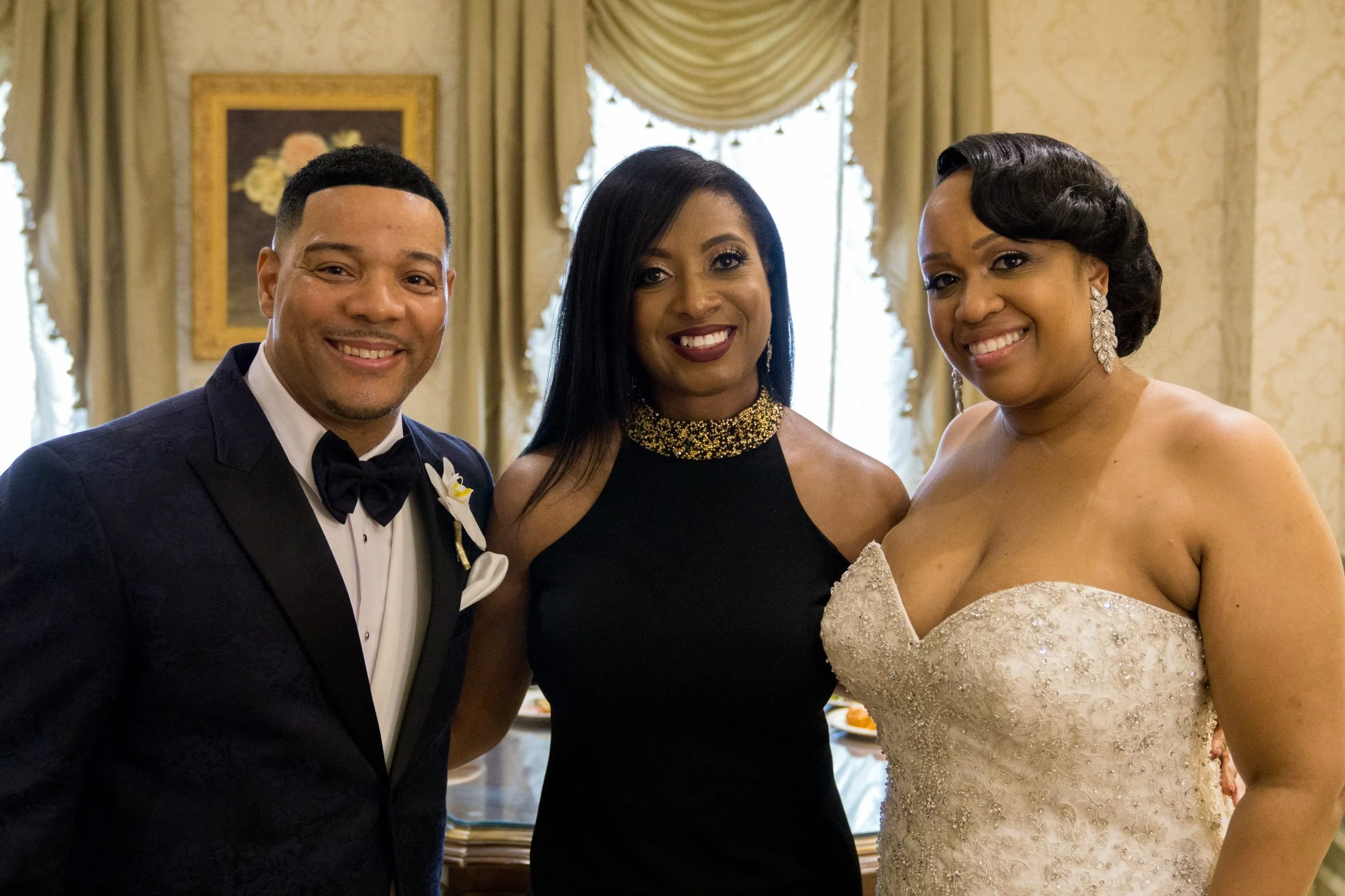
You wouldn’t hire a photographer without seeing their work. Your officiant deserves the same care.
A consultation helps you see whether you connect. Does this person listen? Do they ask about your story, or only your date?
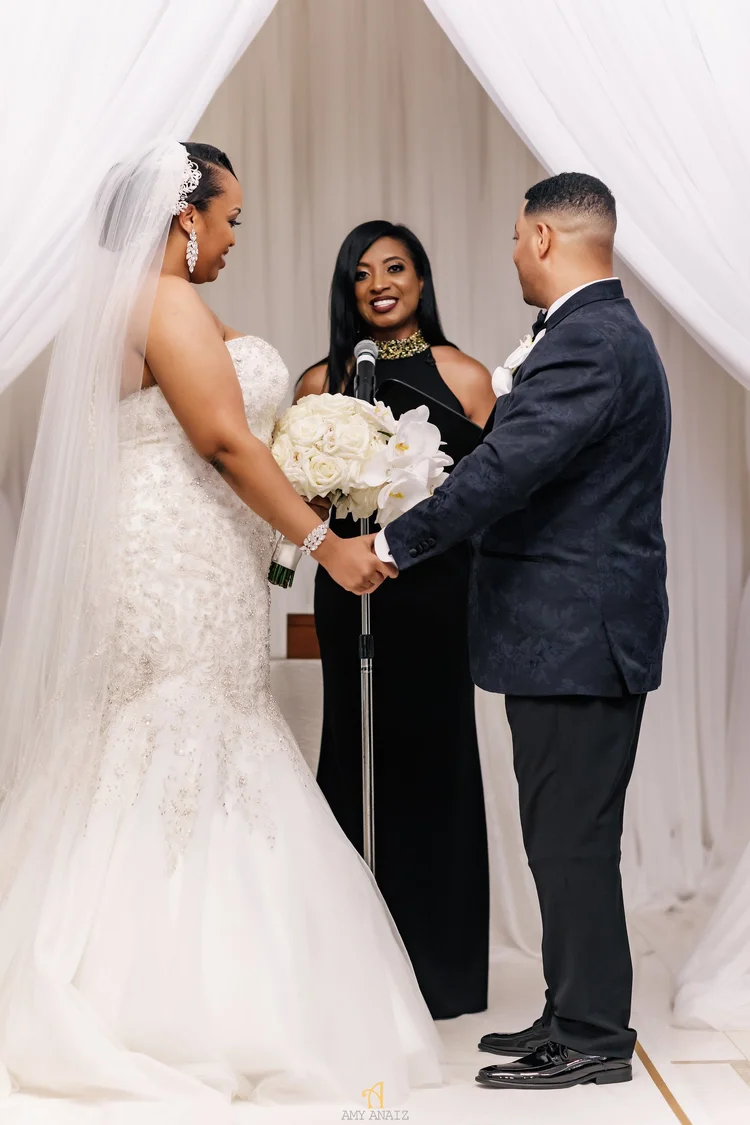
“Our first conversation with Aretha was about two hours long. We talked about everything.”
Jennifer & Kevin, The VenetianI ask that both partners attend our consultation. If you’re working with a wedding planner, they’re welcome to join too.
To get the most out of your consultation:
Come ready to talk. Bring your questions, and share what you’d love in your ceremony and what you’d rather leave out. A consultation is a conversation, not a presentation.
It’s okay if you don’t have a clear vision yet. We’ll create one together. We’ll talk about everything from the vibe, energy and tone you want to your music, the ceremony structure and everything in between.
Set aside at least an hour. This is a real planning conversation about the most important part of your day.
Choose a quiet place. I’ve had couples join while driving and others join over dinner at a restaurant. It’s hard to plan something this meaningful with that many distractions.
My consultations are a lot of fun, and they’re also where your ceremony begins to take shape. Give your officiant the same attention and respect you’d give any of your other wedding vendors.
9. Forgetting What Your Officiant Does on the Day
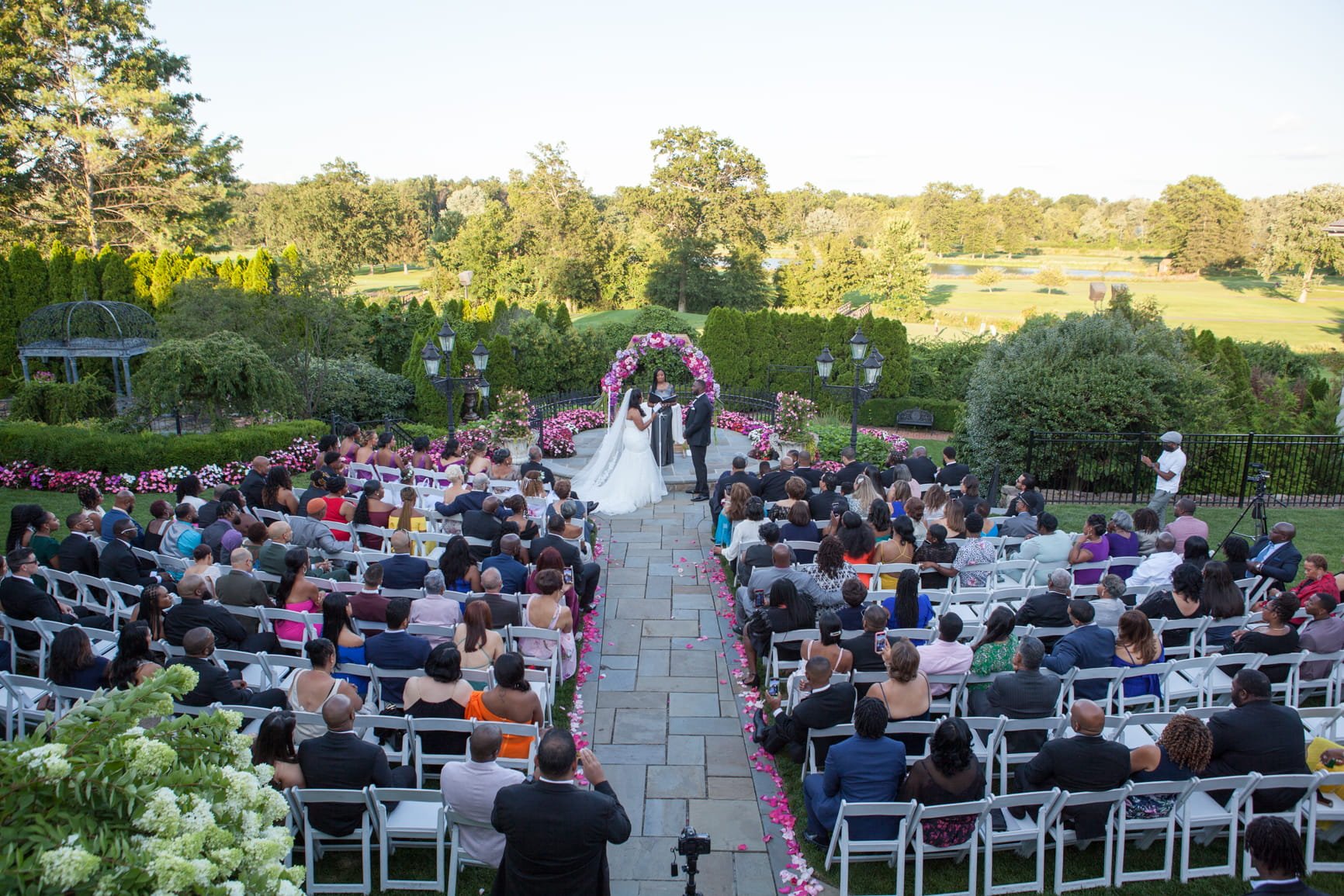
On your wedding day, your officiant does more than lead the ceremony. They set the tone for the whole room.
A few things to think about:
Presence: a calm, confident officiant helps you and your guests relax
Sound: make sure every guest can hear. Ask whether your venue provides a microphone and sound system or whether your DJ will handle it
Appearance: your officiant will be in nearly every ceremony photo, so I’m happy to coordinate my attire with a couple’s wedding colors
Rehearsal: ask whether a rehearsal is included or available. At my rehearsals, we practice everything except the ceremony words: the processional, the hand-off, where everyone stands, the ring exchange, any rituals, the personal touches we built into your ceremony and the recessional. The script itself stays a surprise until the wedding day.
10. Reaching Out Before Doing Your Homework

Most professional officiants share a lot of information on their websites, including their services, pricing and how their booking process works. I do too.
Taking a few minutes to read through it before you reach out helps you decide whether we’re a good fit. It also means our time together can focus on what matters most: your ceremony.
My consultations are for couples who have reviewed my services and pricing and are seriously considering working together. They aren’t general advice sessions. As a small business, my time goes into writing and delivering ceremonies for the couples who book me, and I want to give them my very best.
Once you’ve looked around and feel I might be the right officiant for you, the next step is my Wedding Inquiry Form. I’ll follow up with my availability, and we’ll find a time to talk.
Choosing the Right Officiant for Your Wedding
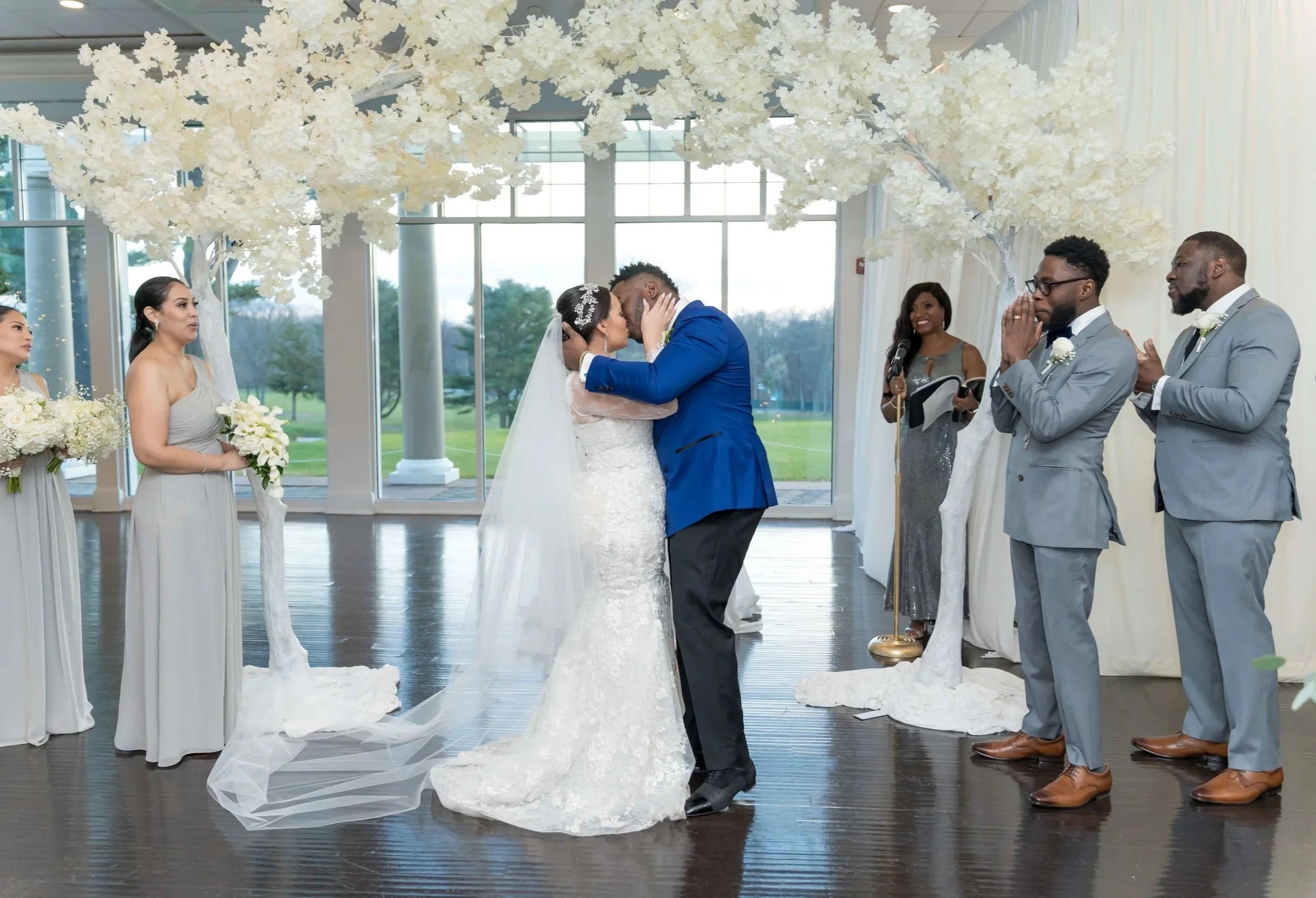
The right officiant protects both the meaning and the legality of your ceremony. Take your time, read the reviews, ask the right questions and choose someone you trust.
If you’re planning a wedding in New Jersey or New York and want a ceremony written just for the two of you, I’d love to hear about your plans.
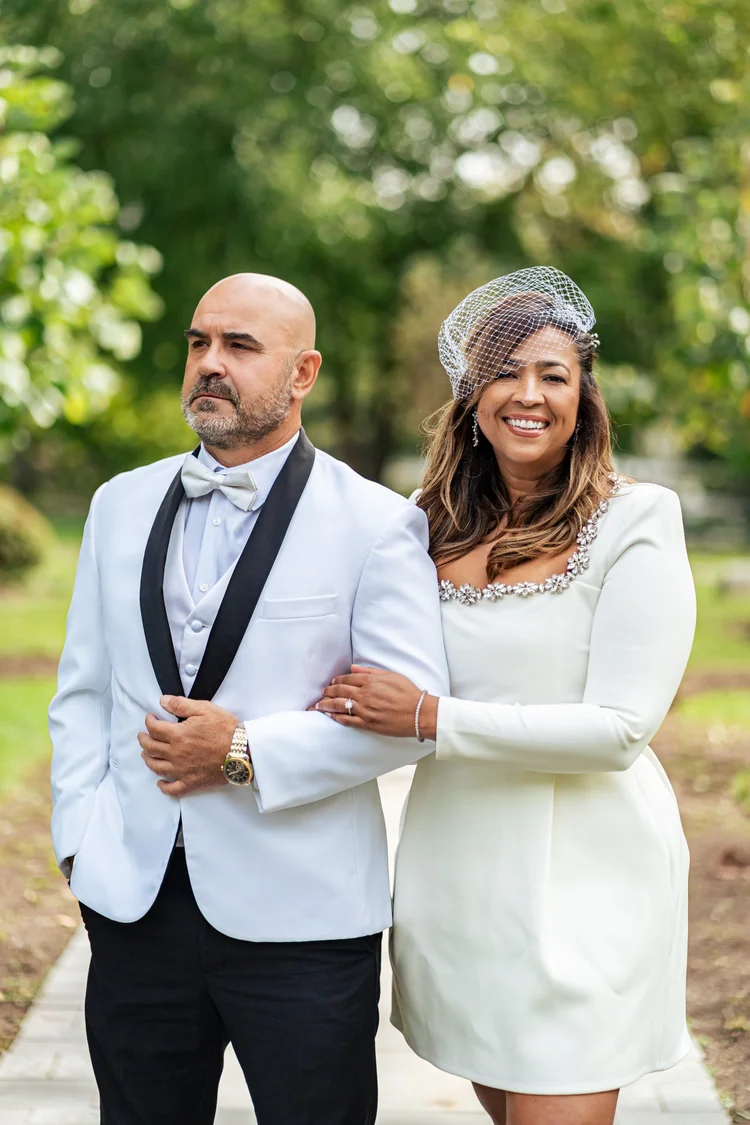
“Best wedding officiant in the area. I highly recommend contacting her no matter how large or small your wedding.”
Lissette & Jack, Westfield, NJPlanning something smaller? Take a look at my elopement ceremonies.
